The crane industry’s only unified hub and the leading ecosystem connecting lifting, rigging, transport, equipment, safety, market intelligence, operator stories, and global field reporting. Delivering breaking crane news, trending stories, heavy lift updates, accident insights, and equipment coverage with Global reach. Local impact. Powered by real crews and real professionals worldwide.





Crane Hub Magazines is where the global lifting and heavy equipment industry comes to connect, learn, and lead through people-focused, industry-driven, all-digital publications. Built on the foundation of the original Crane Hub Magazine, our lineup expands in 2026 with eight new titles, spotlighting specialized sectors, regions, and the stories shaping the future of the industry worldwide.


The Crane Hub Global Marketplace brings the global lifting industry together in one powerful platform. Designed for contractors, fleet owners, and equipment suppliers, the Marketplace showcases cranes, lifting equipment, parts, and services from verified sellers and rental providers around the world. With increased visibility, targeted industry reach, and a streamlined user experience, Crane Hub Global Marketplace helps move equipment, and opportunities faster.

The Crane Hub Global Business Directory serves as a comprehensive listing of companies operating within the crane and heavy lift sector. Designed to support visibility, networking, and industry growth, the directory provides a trusted destination for professionals seeking reliable partners, services, and expertise across global markets.
COMING SOON!!!!




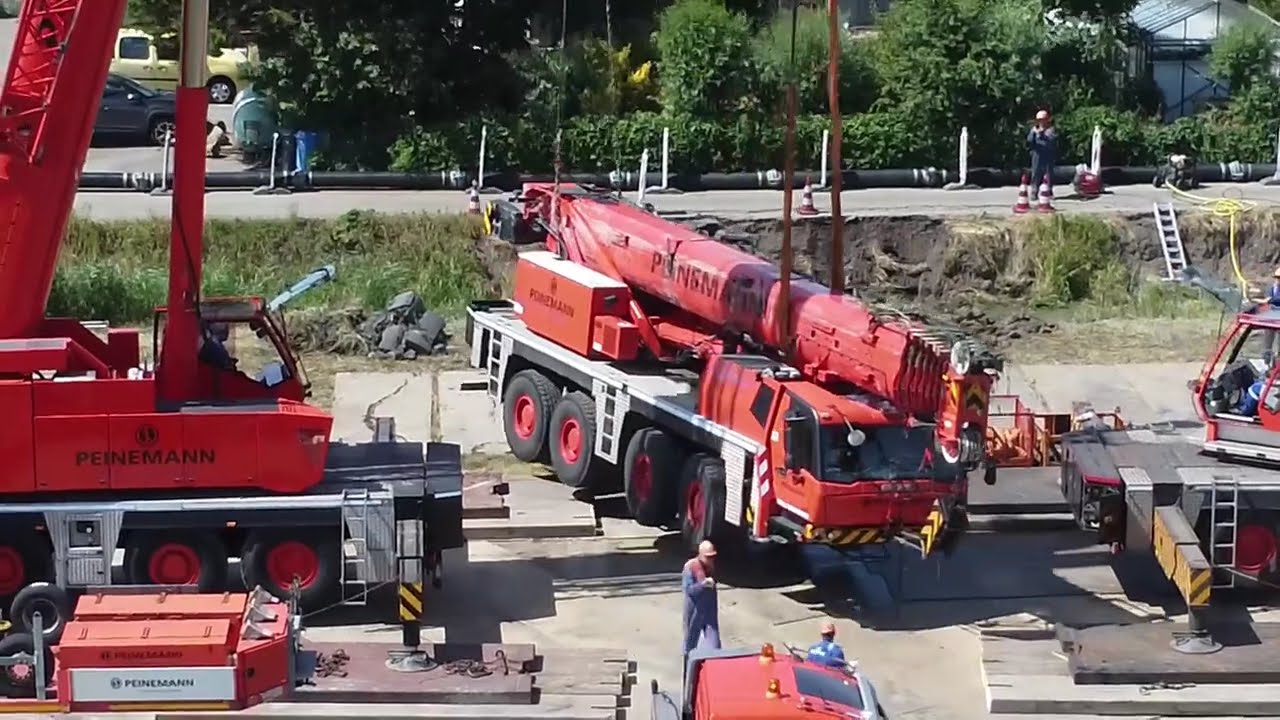
All-Terrain Crane and Ballast Trailer Roll Into Ditch After Verge Collapse in the Netherlands
A four-axle all-terrain crane towing a three-axle ballast trailer rolled into a ditch in the Netherlands after the verge of a narrow rural road collapsed. The Grove crane, from the Peinemann rental fleet, had taken a wrong turn onto Bonnenweg between Hoek van Holland and Maasdijk. The operator escaped without injury but was treated for shock. A complex recovery operation using two six-axle cranes was completed later in the week.
all-terrain-crane-and-ballast-trailer-roll-into-ditch-after-verge-collapse-in-the-netherlands