Mammoet Ring Cranes at Centre of Tokyo Juki Agreement in Japan
30-Second Takeaway
Mammoet Japan and Tokyo Juki have signed a Memorandum of Understanding to expand access to ultra-heavy lifting equipment for Japanese industrial and energy projects. The cooperation establishes a local framework for deploying Mammoet ring cranes, with capacities ranging from 1,600 to 6,000 tonnes. Mammoet will contribute specialist equipment and engineering expertise, while Tokyo Juki brings local personnel, site resources and knowledge of Japanese operating requirements. The companies intend to make these capabilities available earlier in project planning, allowing contractors to assess larger modules and alternative construction methods before designs and site arrangements are finalised.

Mammoet Ring Cranes
Mammoet Japan has agreed to cooperate with Japanese crane specialist Tokyo Juki to support the deployment of its ring cranes on major projects across the country.
The Memorandum of Understanding combines international heavy lifting resources with domestic execution capability. It creates a framework for addressing the regulatory, certification and operational requirements involved in bringing specialist equipment to Japanese sites. Mammoet announced the agreement on 9 September 2026.
The cooperation is intended to give project teams access to greater lifting capacity while they still have scope to adjust fabrication plans, module sizes and construction sequences.
Lifting Capacities from 1,600 to 6,000 Tonnes
Mammoet’s ring crane fleet offers lifting capacities ranging from 1,600 to 6,000 tonnes. These cranes can handle large components at extended radii while maintaining a relatively compact operating footprint for their lifting class.
For project planners, that combination creates opportunities to install larger prefabricated assemblies. Rather than dividing a structure into numerous smaller lifts, contractors can evaluate whether more assembly work can take place before the final installation.
The companies say this approach could reduce the number of lifts, limit on-site assembly and decrease work at height. These are potential benefits of the construction method, with the final lifting strategy determined by each project’s engineering and site requirements.
Local Resources Support Specialist Equipment
Mammoet will bring its heavy lifting equipment and engineering expertise to the cooperation. Tokyo Juki will contribute its workforce, site resources and understanding of Japanese regulatory and operational practices.
The agreement addresses more than equipment availability. Deploying an ultra-heavy crane also requires coordinated preparation, certification and site execution, with local knowledge supporting the transition from an engineered proposal to a working lifting operation.
By combining those capabilities, the partners intend to establish a practical route for using Mammoet’s ring cranes on Japanese projects.
Earlier Planning for Larger Modules
The partnership places particular emphasis on involving heavy lifting specialists before project designs and fabrication strategies are fixed.
At that stage, contractors can assess how crane capacity and reach affect module dimensions, assembly locations and site layouts. Decisions made early can influence how much work takes place in a fabrication yard and how many separate activities remain at the construction site.
Potential applications include offshore wind, nuclear construction and maintenance, infrastructure, industrial facilities and offshore production projects. The agreement establishes a cooperation framework for these opportunities.
Leadership Perspectives
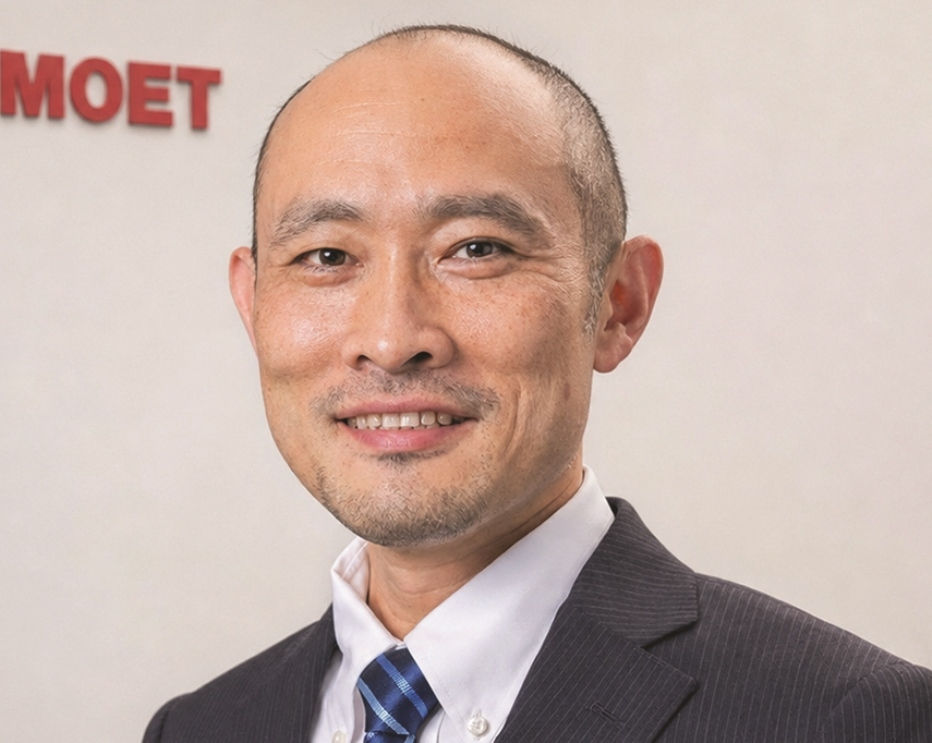
Mammoet Japan Representative Director Yusuke Kakinuma said:
“Japan is preparing for projects that will require greater lifting capacity and new approaches to construction.This cooperation creates a practical route for bringing Mammoet’s specialist equipment and engineering capabilities to Japanese project sites.”
Tokyo Juki President Taku Tsuruoka said the cooperation would allow the company to apply its domestic experience and resources to ultra-heavy lifting, opening opportunities in offshore wind and nuclear power.
About Mammoet
Mammoet is an international specialist in engineered heavy lifting and transport. Its history dates to 1807, when Dutch entrepreneur Jan Goedkoop established a maritime transport business. The modern Mammoet organisation developed through subsequent mergers and acquisitions, including the formation of Mammoet Transport in 1971.
Its services include heavy lifting, heavy transport, crane rental and industrial solutions. The business supports projects across oil and gas, renewable energy, nuclear power, civil infrastructure, ports and heavy industry, combining engineering with equipment and project execution.
Mammoet Japan K.K. is a locally incorporated operating company providing access to the group’s global equipment fleet and engineering resources. Its available solutions include ring cranes, specialised transport and high-capacity jacking and skidding systems, with equipment mobilised according to project requirements.
Mammoet’s Japanese experience includes lifting reactor vessels for the Showa Yokkaichi Oil Refinery expansion, engineering studies for Akita-Noshiro Offshore Wind and deployment of a PTC 35 ring crane for a floating offshore wind demonstration project in Fukushima.
Official website: www.mammoet.com
About Tokyo Juki
Tokyo Juki is a Japanese crane and construction equipment company established in June 1963, with roots in a privately operated machinery rental business started in 1958. Its headquarters are in Tokyo’s Shibuya district.
The company specialises in leasing mobile cranes and other construction machinery. Its wider activities include equipment sales, repairs, rental and associated construction services, supported by a domestic network of branches, facilities and equipment yards.
Tokyo Juki’s development has included the establishment of regional operations, a service subsidiary and the addition of transport activities. Under President Taku Tsuruoka, its agreement with Mammoet Japan extends those domestic capabilities into the deployment and operation of ultra-heavy lifting equipment.
Official website: www.tokyojuki.com
Frequently Asked Questions
What have Mammoet Japan and Tokyo Juki agreed?
They have signed a Memorandum of Understanding establishing a local framework for deploying Mammoet’s ultra-heavy lifting equipment in Japan.
What capacities do Mammoet ring cranes offer?
The ring crane fleet covered by the announcement ranges from 1,600 to 6,000 tonnes. Available lifting capacity depends on crane configuration and operating radius.
What will each company contribute?
Mammoet brings specialist equipment and engineering expertise. Tokyo Juki contributes local personnel, site resources and knowledge of Japanese operating requirements.
Which sectors could use the additional lifting capability?
Potential applications include offshore wind, nuclear power, infrastructure, industrial facilities and offshore production projects.
Why is early involvement important?
Early assessment allows contractors to consider larger modules and different installation methods before fabrication plans and site layouts are finalised.