Terex–REV Group Merger Signals a Strategic Shift Toward Resilient, Sustainable Industrial Markets
30-Second Takeaway
Terex has entered a definitive merger agreement with REV Group to form a $7.8 billion diversified industrial company focused on essential, low-cyclicality markets including utilities, emergency response, environmental services, and materials processing. As part of the transaction, the combined company plans to divest or spin off the Genie AWP business while retaining Terex Utilities underscoring a strategic pivot toward stable, infrastructure-driven sectors aligned with long-term sustainability and domestic manufacturing growth.

A Merger Built Around Resilience and Long-Term Demand
Terex Corporation and REV Group have announced a definitive merger agreement combining the two manufacturers in a stock-and-cash transaction that reshapes Terex’s portfolio around essential services, infrastructure, and resilient end markets.
Once completed, the merged company will generate approximately $7.8 billion in annual revenue, based on current full-year forecasts of $5.4 billion from Terex and $2.4 billion from REV Group. The transaction is expected to close in the first half of next year, subject to customary approvals.
The combined business will continue to trade on the New York Stock Exchange under the ticker TEX, with Terex shareholders owning 58% of the company.
Strategic Portfolio Realignment: Focus on Essential Infrastructure
As part of the merger, the combined company intends to sell or spin off part of its aerial work platform (AWP) business, Genie, while retaining the Terex Utilities operation. The move reflects a deliberate shift toward markets characterized by lower cyclicality, resilient demand, and long-term infrastructure investment.
The companies said the merger will create a diversified leader serving sectors including:
Emergency response and specialty vehicles
Utilities and environmental services
Waste and materials processing
These markets are increasingly central to sustainability goals tied to grid modernization, environmental services, public safety, and domestic infrastructure renewal.
Leadership and Governance Structure
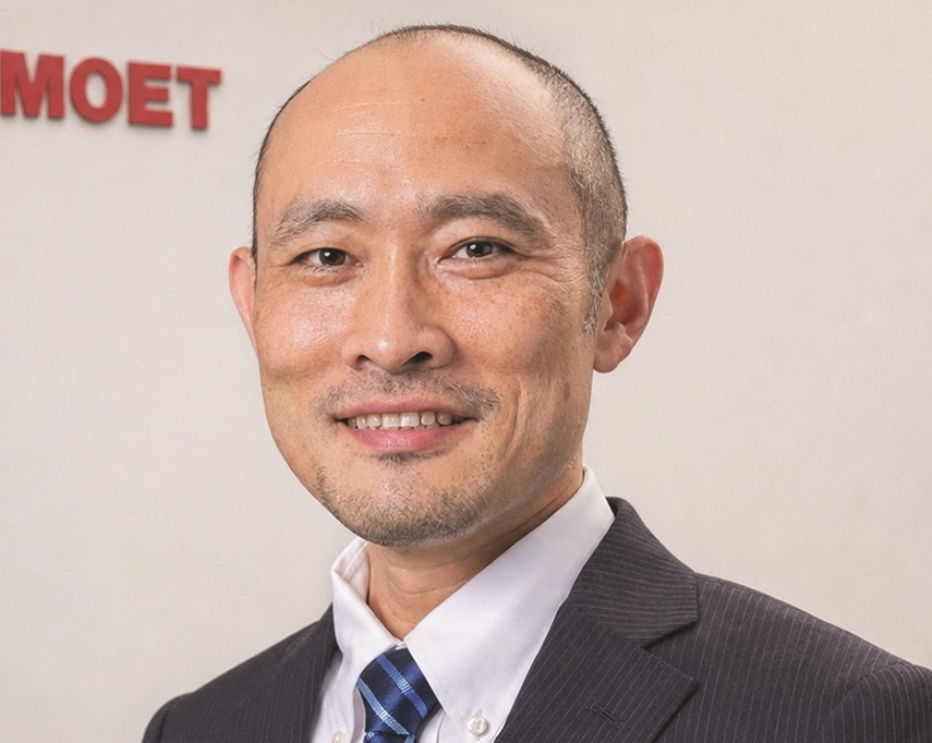
Following completion of the transaction, Terex CEO Simon Meester will become Chief Executive Officer of the combined company. Terex will appoint seven members to the board, while REV Group will appoint five, reflecting majority ownership while maintaining balanced governance.
Meester described the transaction as transformational, highlighting its alignment with long-term secular growth trends and the opportunity to invest more deeply in innovation, operational excellence, and customer-focused solutions.
Simon Meester of Terex said: "This transaction represents a transformative step for both companies. By combining our complementary portfolios and leveraging our collective strengths, we are creating a large scale, diversified industrial leader well positioned to capitalise on long term secular growth trends. The transaction will unlock significant value for both Terex and Rev group shareholders and creates exciting opportunities for our team members and customers by strengthening our ability to invest in the combined business, innovate and deliver quality solutions."
Rev chief executive Mark Skonieczny added: "Joining forces with Terex is a natural evolution of our strategy of building a stronger, more profitable and scaled company by bringing together two highly respected organisations with shared values and a commitment to innovation, operational excellence, and customer success. We are beginning an exciting new chapter that will generate meaningful value for our shareholders, customers and employees."
REV Group’s Role in Sustainable, Essential Services
REV Group brings a strong presence in specialty vehicles, particularly in the United States, with manufacturing focused on emergency response and service-critical applications. Its portfolio includes:
Specialty Vehicles: ambulances, fire trucks, and emergency vehicles
Recreational Vehicles: Class B vans through Class A motorhomes
While diverse in application, REV’s emergency and specialty vehicle operations play a direct role in public safety, community resilience, and essential service delivery key pillars of long-term sustainability planning.
REV CEO Mark Skonieczny emphasized the shared values between the two organizations, citing innovation, operational excellence, and customer success as core to the merger’s rationale.
Domestic Manufacturing and Sustainability Alignment
A central theme of the transaction is the combined company’s substantial U.S. manufacturing footprint, positioning it to benefit from domestic demand growth and infrastructure investment while reducing supply chain complexity.
From a sustainability perspective, the merger aligns capital allocation and innovation toward:
Long-life infrastructure assets
Essential services with predictable demand
Environmental and utility equipment supporting decarbonization and resilience
The planned separation of Genie further sharpens this focus, allowing each business to pursue tailored strategies aligned with its respective market dynamics.
Frequently Asked Questions (FAQ)
What is the structure of the Terex–REV Group merger?
It is a stock-and-cash transaction, with REV shareholders receiving 0.9809 shares of the combined company plus $8.71 in cash per share.
Who will lead the combined company?
Terex CEO Simon Meester will serve as CEO following completion of the transaction.
What happens to Genie under the merger?
The combined company plans to sell or spin off part of the Genie AWP business while retaining Terex Utilities.
Why retain Terex Utilities?
Utilities serve low-cyclicality, infrastructure-driven markets aligned with long-term demand, resilience, and sustainability priorities.
When is the deal expected to close?The transaction is expected to close in the first half of 2026
What markets will the combined company focus on?
Emergency response, utilities, environmental services, waste, and materials processing sectors with stable demand and long-term growth profiles.