


Tower Crane Hoist Drops 50–60 Metres, Seriously Injuring Technician in Tilburg
Updated: Dec 29, 2025
30-Second Takeaway
A 34-year-old crane maintenance technician was seriously injured after an externally mounted tower crane hoist dropped between 50 and 60 metres at a construction site in Tilburg, the Netherlands. The incident occurred on Friday, September 26, while the technician was using the hoist to carry out inspection or repair work. The Labour Inspectorate has launched an investigation, and the site’s main contractor and crane operator, Hujmans, has confirmed full cooperation.
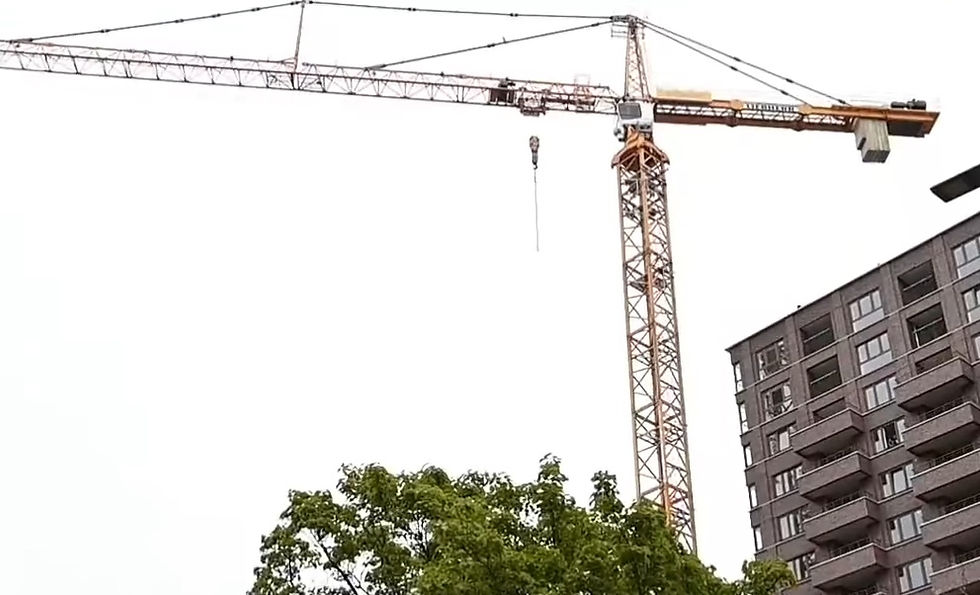
Incident Overview
A serious hoist incident occurred in the Havendijk area of Tilburg, Netherlands, last month involving a tower crane hoist / external elevator.
According to information received, a 34-year-old Belgian crane maintenance technician was using the externally mounted lift when it dropped between 50 and 60 metres. The incident resulted in serious injuries.
Emergency services responded, and the injured man was transported for medical treatment. No fatalities were reported.
What Is Known
Location: Havendijk area, Tilburg, Netherlands
Date: Friday, September 26
Equipment involved: Externally mounted tower crane hoist / elevator
Victim: Male, 34, Belgian crane maintenance technician
Activity: Inspection or repair work
Fall distance: Approximately 50–60 metres
Outcome: Serious injuries
Companies and Official Response
The main contractor and crane operator on the site is Hujmans, which issued a statement expressing shock and regret following the incident.
The company confirmed that it is:
Cooperating fully with authorities
Supporting the ongoing investigation
The Dutch Labour Inspectorate has launched a formal investigation into the incident.
Investigation Status
At the time of publication:
The cause of the hoist failure has not been determined
Technical details surrounding the hoist system remain undisclosed
Further information is not expected until the investigation concludes
Crane Hub Global will update this article if verified findings are released.

Why Incidents Like This Can Occur
Tower crane hoists and external elevators rely on:
Redundant braking systems
Guide rails and anchorage integrity
Regular inspection and functional testing
Failures can occur due to mechanical malfunction, brake system failure, guide rail issues, or maintenance-related factors, particularly when hoists are used for inspection and repair activities rather than routine transport.
Industry Reminder
Tower crane hoists are critical safety systems. When failures occur, consequences are severe due to the significant heights involved.
This incident highlights the importance of inspection discipline, safety system redundancy, and conservative access planning, particularly during crane maintenance activities.
Editorial Note
Crane Hub Global reports on crane-related incidents to support industry awareness and prevention. This article reflects information available at the time of publication and will be updated if official findings are released.
How Incidents Like This Can Be Prevented
Hoist Brake and Safety Device Testing
Regular functional testing of primary and secondary braking systems, overspeed governors, and safety catches is critical.
Inspection Before Maintenance Use
Hoists used for inspection or repair work should undergo pre-use verification, especially when technicians rely on them as sole access systems.
Redundancy and Fall-Protection Planning
Where feasible, additional secondary fall-protection measures should be considered for maintenance personnel.
Controlled Access and Permit Systems
Maintenance operations involving hoists should be subject to permit-to-work procedures, clearly defining risks and controls.
OEM-Aligned Maintenance Regimes
Inspection and servicing should follow manufacturer-specified intervals and procedures, with detailed documentation.

